
How Does Hail Affect Roofs in Cobleskill, NY?
Hail storms in Cobleskill can be unpredictable, and even a brief event can damage residential roofs. Hailstones strike with force, loosening protective materials or creating weak spots. Local weather patterns often include late spring and summer storms with hail ranging from pea-sized to larger than golf balls. The impact depends on hail size, wind speed, roof age, and the type of roofing material commonly used in the region.
What Are the Main Signs of Hail Damage on an Asphalt Shingle Roof?
Hail damage doesn’t always result in obvious holes or leaks. Most Cobleskill households have asphalt shingles, where hail leaves more subtle signatures. Immediately after a storm or after safe access is possible, look for:
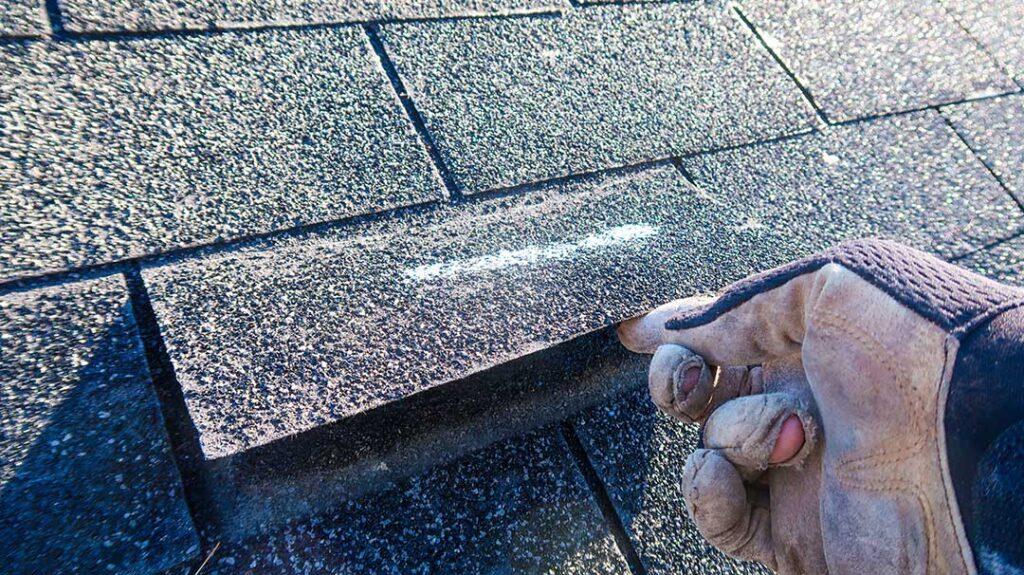
- Random dark spots: Hail impact can dislodge granules, making dark spots appear across the shingle surface. These areas may feel soft, similar to a bruised apple.
- Loss of granules: Check gutters and downspouts for excessive loose granules. While some loss is normal with age, sudden increases after hail often indicate damage.
- Exposed, shiny material: A hit may knock granules off entirely, exposing the shiny felt or fiberglass mat below.
- Small cracks or splits: Hail can create fine cracks that allow moisture intrusion over time.
Many residents assume only large hailstones create problems, but even smaller hail—if driven by strong winds or repeated—can wear down shingle protection gradually.
Could Hail Damage Look Different on Metal, Slate, or Other Roofing?
Yes, hail affects different materials in unique ways. Metal roofs may show:
- Dents or dimples: These are usually most visible on flatter areas, like ridge caps, flashing, or vent covers.
- Paint chipping: Finish loss or chipping exposes metal to rust, especially concerning during damp Cobleskill seasons.
Slate or tile roofs are less common, but look for:
- Cracked or broken pieces: Hail can fracture tiles or cause corners to break off, sometimes loosening fasteners as well.
- Displaced sections: While less frequent, severe hail combined with wind can actually shift slate or tiles out of alignment.
What Are Some Easy Ways to Check for Hail Damage from Ground Level?
Homeowners often wonder how to spot signs without risking a roof climb. Fortunately, several symptoms are visible from the ground or by examining the immediate area:
- Inspect metal flashing, gutters, or vents for dents.
- Look closely at siding and window screens for pitting or marks—hail that damages these often damages roofs, too.
- Search driveways and decks for accumulated roofing granules after a storm.
- Use binoculars to check for visibly missing shingles or bright spots.
Don’t confuse normal weathering or pre-existing wear—such as algae stains or general shingle aging—with the clear, sudden patterns caused by hail.
When Should Hail Damage Concern Cobleskill Homeowners?
Not all hail damage leads to immediate leaks, but it can shorten roof lifespan and increase vulnerability to future storms. Even a small area of compromised shingle can lead to moisture penetration, rot, or attic mold if left unchecked. Homeowners should look for:
- Sudden appearance of dark or bare shingle patches after storms
- Granule buildup in gutters following hail
- New indoor water spots or unexplained musty attic odors in the weeks after a storm
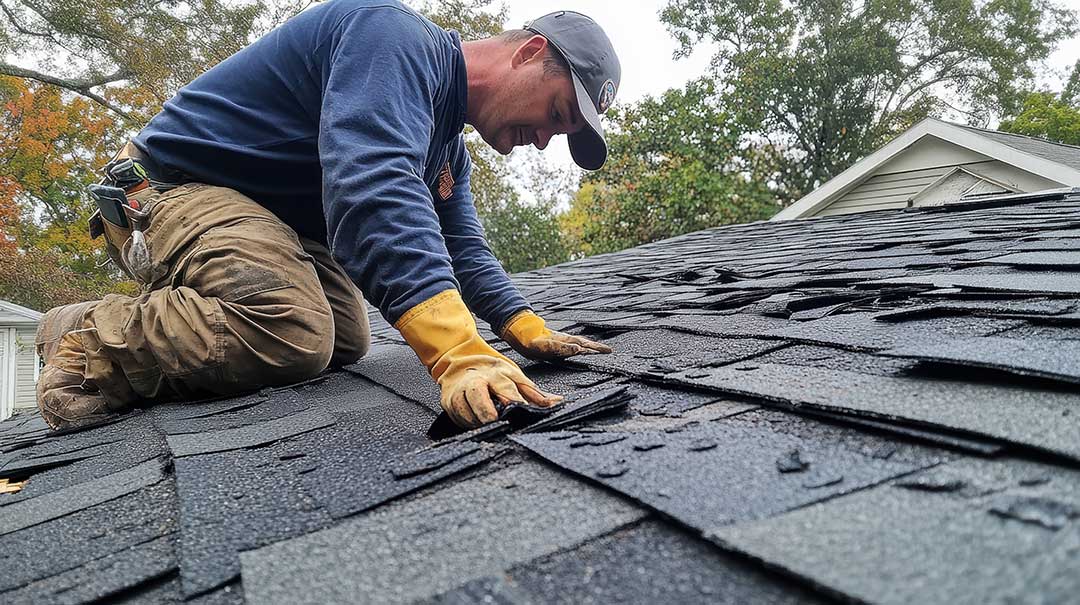
Many households don’t realize gradual leaks, resulting from unseen hail hits, may go unnoticed until interior problems start. Cobleskill’s moisture-rich climate, especially in spring and fall, makes it wise for homeowners to stay attentive after any severe hail event.
What Common Mistakes Do Residents Make After a Hail Storm?
Area homeowners often make assumptions that can lead to missed or underestimated damage:
- Assuming only large or highly visible hail causes real problems
- Believing the roof is undamaged if shingles are intact at a glance
- Ignoring gutter granule buildup as “just old age”
- Waiting to inspect until water leaks appear indoors
Another overlooked issue is forgetting that hail damage isn’t always uniform. One side of the roof may be battered while the other looks untouched, especially in storms with strong directional winds.
Can You Safely Inspect the Roof Yourself?
For most, a thorough ground-level assessment covers the basics. If using a ladder or climbing a roof, take extreme care, especially on steeper or mossy surfaces common to the area. Binoculars often provide a safe alternative for a closer look at upper and less accessible roof sections.
If the roof is difficult to access or appears unstable—or if you spot any sagging, spongy, or heavily damaged areas—avoid climbing. Severe damage can compromise roof strength, and safety should always come first.
What Should Homeowners Document If Hail Damage Is Found?
Accurate records are valuable, especially for insurance or maintenance planning. After a hail storm:
- Note the date and time of the storm, estimating hail size if possible.
- Take clear photos of any noticeable damage—close-ups and wider views both help.
- Document related exterior issues (damaged siding, gutters, windows, or outdoor equipment).
- Keep track of any roofing materials or granules collected in the yard or around downspouts.
Clear records help area homeowners keep track of emerging issues and provide helpful information if further inspection or repairs are needed down the road.
