
What Is Roof Flashing?
Roof flashing is a thin material—most commonly metal—that is installed in areas of a roof that intersect or are vulnerable to water infiltration. Its primary job is to direct water away from critical points like chimneys, vents, skylights, valleys, and where the roof joins vertical walls. In Cobleskill, NY, where seasonal weather changes can bring both heavy rain and melting snow, flashing plays a key role in preventing water from slipping under roofing materials and causing damage inside homes.
Flashing is typically made of aluminum, galvanized steel, or copper, each chosen for specific strengths such as rust resistance or flexibility. It acts as a physical barrier, ensuring that water always travels over, not beneath, the protective layers of your roof system.
Why Is Flashing So Important for Homes in Cobleskill?
Water intrusion is among the top causes of roof and interior home damage, especially in regions like Cobleskill with freeze-thaw cycles and occasional intense storms. Properly installed flashing is essential because:
- It blocks water at vulnerable seams and joints where shingles alone can’t guarantee a tight seal.
- It prevents long-term issues like mold growth, rotting decks, compromised insulation, and interior ceiling leaks.
- Flashing addresses unique architectural features and irregularities common in both older and newer homes in the area.
Without reliable flashing—even if the rest of the roof is in good condition—leaks can develop where two surfaces meet or where the roof is breached for chimneys and pipes.
Where Is Flashing Installed on a Roof?
Flashing isn’t located just anywhere; it’s used specifically where roofs are weakest to water:
- Chimney flashing wraps the base of a chimney, diverting water around the brickwork or metal.
- Step flashing is layered along the intersection of roof surfaces and vertical walls, such as dormers or additions.
- Valley flashing protects the troughs where two roof slopes meet, guiding water safely down the roof.
- Vent pipe flashing seals around pipes that penetrate through the surface.
Some homes in Cobleskill have additional features like skylights or sun tunnels, which also require custom-fit flashing to prevent leaks.
What Types of Flashing Materials Are Most Common Locally?
In Cobleskill, most residents encounter the following types of flashing metals:
- Aluminum: Lightweight and rust-resistant, often used for step flashing.
- Galvanized steel: Durable and strong, popular for drip edges and valleys.
- Copper: Long-lasting and attractive, but often reserved for decorative or historic homes.
Roofing codes relevant to the local area generally require metal flashing, especially around chimneys and valleys, to ensure the best protection against snow and rain.
How Does Cobleskill’s Climate Affect Roof Flashing?
Seasonal patterns create unique challenges in the region. Winter ice dams are a common problem, forming when melting snow re-freezes along roof edges. If flashing is poorly installed or deteriorating, water from ice melt can sneak under shingles and enter the attic or walls.
Spring can bring wind-driven rains, which test the seals around chimneys and vents. Properly fitted flashings withstand shifting temperatures, expansion, and contraction, while older, cracked, or rusted flashing may split or pull away from the roof beneath.
Homeowners should be aware that flashing made from lower-quality or mismatched materials is more likely to corrode or fail under Cobleskill’s varying conditions.
What Are Signs That Flashing Might Need Attention?
Several warning signs point to potential flashing issues, all of which are easier to spot with regular roof checks, especially after harsh winters or heavy storms:
- Water stains or damp patches on ceilings and walls near chimneys or around attic edges
- Missing, bent, or visibly rusted flashing on the roof
- Shingles lifting or blistering near roof valleys or where the roof meets side walls
- Small amounts of granule loss or debris in gutters below vent pipes
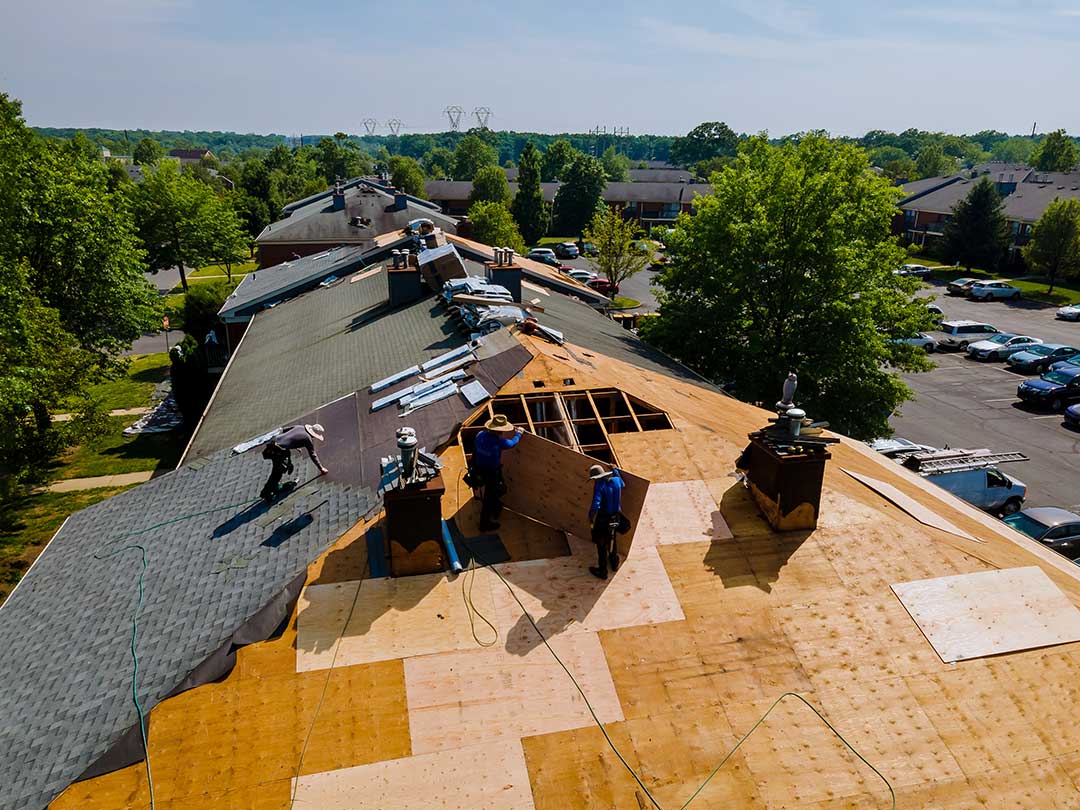
While these symptoms can sometimes be mistaken for shingle problems, they often result from deteriorating flashing underneath or nearby.
How Can Area Residents Maintain Their Roof’s Flashing?
Ongoing attention helps flashing last as long as the rest of the roofing materials. It’s a good practice for Cobleskill homeowners to:
- Visualize key flashing zones during seasonal roof inspections: pay close attention around chimneys, valleys, and protrusions.
- Clean debris like leaves or sticks from valleys, which can trap moisture and speed up corrosion.
- Check attic spaces for any early signs of leaks or musty odors after major weather events.
- Address visible gaps or deterioration promptly—sealing minor cracks with roofing caulk may be possible, but severe rust or separation usually indicates the need for replacement.
DIY flashing repair is generally limited to minor resealing or clearing blockages. Anything involving replacement, or where ladder safety or roof access is an issue, is better left to those with proper training and equipment, especially on steep or tall rooftops commonly found in parts of the community.
What Are Common Misconceptions About Roof Flashing?
One widespread assumption is that new shingles alone can prevent all leaks. Even with a recent roof replacement, improper flashing or skipped pieces at joints will eventually allow moisture through.
Another misconception is that caulking or tar is a long-term solution. These stopgaps often fail in the first freeze-thaw cycle, as expansion and contraction create cracks that let water inside.
Some residents believe flashing lasts as long as a roof, but metal exposure to harsh weather—especially where snow and ice accumulate—can shorten its lifespan, making periodic review and occasional repairs necessary.
Does Insurance Cover Flashing Issues?
Policies for households in the city often cover sudden, accidental water damage, but repairs related to routine wear and tear or poor maintenance may not be included. Insurers might expect homeowners to demonstrate that roof systems—including flashing—were kept in working order through regular maintenance and prompt fixes when problems were detected.
This is another reason why seasonal roof checks and keeping photos or records of previous repairs can be worthwhile.
Is Flashing Different for Historic or Older Homes?
Many homes in the community date back decades, featuring unique rooflines and older construction techniques. Historic homes may have non-standard flashing materials or installation methods not commonly used today. This can create extra challenges when preserving the look and function of the original architecture.
Custom flashing solutions are often needed to match older roof shapes and materials, and some types of historic copper or tin work can require specialized skills to repair or replace without compromising the character of the home.
