
What Is Re-Roofing and How Does It Work?
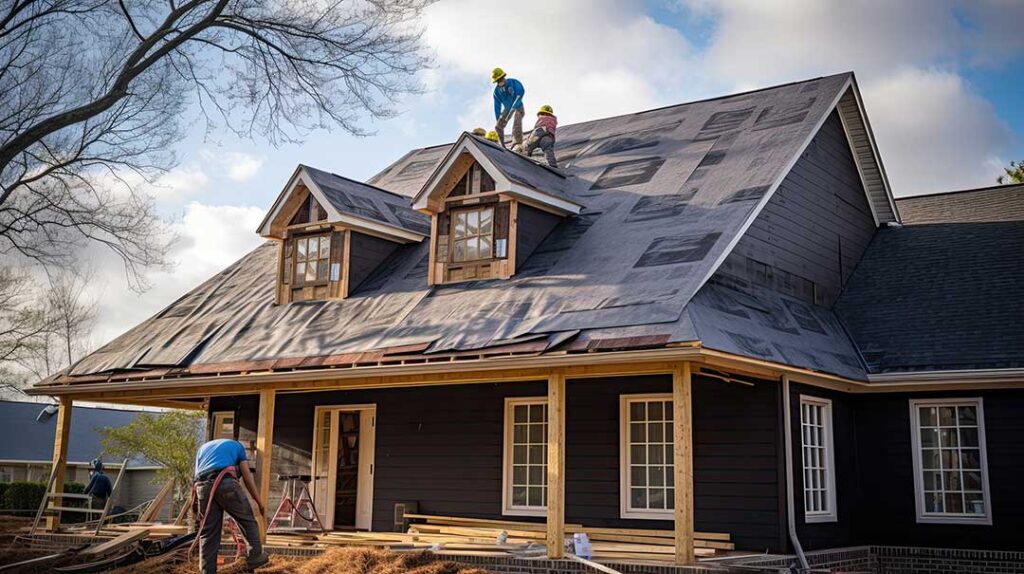
Re-roofing is the process of installing a new layer of shingles over an existing roof, as long as the current roof has only one layer and is generally in sound condition. This method can be seen as a refresh for a roof that’s aging but still structurally solid.
For many in Cobleskill, re-roofing offers a relatively quick and less disruptive way to address surface-level wear, such as minor leaks or curling shingles. However, re-roofing isn’t suitable for all roofs. Local building codes typically allow only one re-roofing layer. If your roof already has two layers, or if there are hidden structural issues beneath, re-roofing isn’t permitted or advisable.
What Is a Roof Replacement?
A roof replacement involves removing all existing shingles and often the underlayment down to the roof decking, then installing new materials from the base up. This is a more thorough process which addresses not just worn shingles, but also any underlying problems such as rot, mold, or damaged decking.
In Cobleskill’s climate, where snow loads, ice, and seasonal rains can take a toll on roofing materials, roof replacement is sometimes necessary to ensure the long-term health and energy efficiency of local homes.
Which Option Lasts Longer?
Roof replacement generally provides a longer lifespan compared to re-roofing, since the entire roofing system—including the underlayment and flashings—gets renewed. While re-roofing can add an additional 10-15 years to your roof, a full replacement with updated materials may provide 20 years or more of reliable protection, especially when factoring in Cobleskill’s freeze-thaw cycles and occasional strong winds.
When Is Re-Roofing a Good Idea for Local Homes?
Re-roofing may be appropriate if:
- The existing shingles are aging or showing signs of wear but the roof decking is intact
- There is only one existing layer of shingles
- The roof hasn’t suffered from significant leaks, sagging, or storm damage
This process is often chosen when a roof is nearing the end of its useful life but the homeowner wants a cost-effective refresh before a full replacement becomes urgent. For many Cobleskill area homes, especially those built in the late 1990s or early 2000s, re-roofing may extend the life of the roof without the need for a larger investment—provided there are no deeper moisture or structural issues.
When Does a Roof Need Complete Replacement in Cobleskill, NY?
Full roof replacement is likely needed if:
- The roof has two layers of shingles already
- Shingles are missing, severely curled, or broken in multiple areas
- There are persistent leaks, mold, or signs of rot on the decking
- The roof has visible sagging or structural damage, often revealed after winter snow and ice
Homes in parts of Cobleskill with older construction or significant tree coverage are sometimes more prone to hidden water damage beneath the shingles. In those cases, replacement ensures that hidden problems don’t jeopardize the home’s structure, energy efficiency, or indoor air quality.
Are There Local Codes or Restrictions Residents Should Know About?
Buildings codes relevant to Cobleskill typically:
- Do not permit more than two layers of roofing material
- Require decking and insulation materials to meet minimum standards when exposed
- Set rules for underlayment and flashing, especially important in preventing ice dams—a common issue during the city’s cold winters
It’s always wise to check for updates to local regulations or consult with municipal resources, as codes can occasionally change in response to new safety considerations or weather patterns.
What Are Common Misconceptions About Each Approach?
A few myths often surface in discussions around roof renewal:
*Re-roofing is not always “just as good” as replacement.* While it can be effective as a short- to medium-term solution, serious issues like rotted wood, mold, or poor ventilation cannot be corrected by simply adding another layer.
*Roof replacement isn’t always more expensive.* If deeper repairs are needed, skipping them with a re-roof can ultimately result in higher costs later. For example, repeated leaks or undetected rot can require repairs to interior ceilings and insulation, in addition to replacing the roof later.
*All local roofs can be re-roofed.* Only roofs with a single layer and a sound structure qualify. Multiple-layer roofs or those with widespread water damage must be replaced.
Which Option Is More Disruptive? What Should Cobleskill Homeowners Expect?
Re-roofing is generally less disruptive, since it takes less time (often just a couple of days), produces less debris, and often doesn’t require stripping the roof down to the decking. This makes it appealing when minimizing noise or yard disturbance is a priority.
Roof replacement, by contrast, is a more involved process. It typically means more workers, more debris, and—depending on home layout and yard size—can require careful management of materials and access. While this can be inconvenient, it ensures the entire roof system is renewed and that any hidden problems are properly addressed.
How Does the Weather in Cobleskill Affect the Decision?
Cobleskill’s mix of heavy winter snow, freezing temperatures, and warm, rainy summers puts roofs through significant stress. Asphalt shingles, the most common material in area neighborhoods, can deteriorate faster under these conditions.
- In colder seasons, ice dams can cause water to back up under shingles. If a roof is already layered and has hidden ice or water damage, re-roofing can actually trap moisture, making things worse.
- On older homes with poor attic ventilation—a common issue locally—re-roofing may exacerbate heat buildup and shingle curling.
Roof replacement, though costlier and more disruptive, allows for inspection and improvement of insulation, ventilation, and moisture barriers, which can be valuable for both comfort and long-term durability in the city.
What Practical Questions Should Residents Ask Before Choosing?
Before deciding between re-roofing and replacement, it’s useful to consider:
- How old is the existing roof, and how many layers are currently installed?
- Have there been recent leaks, and if so, were they widespread?
- Has the roof been inspected for rot, mold, or damaged decking?
- Are there signs of sagging or unevenness in the roof line?
- Has the attic been checked for moisture or ventilation issues?
For homes in Cobleskill’s historic neighborhoods or those surrounded by trees, a thorough inspection during the summer or early fall—before winter weather sets in—can clarify whether re-roofing is a practical short-term solution or if replacement is needed to protect the value and safety of the property.
