
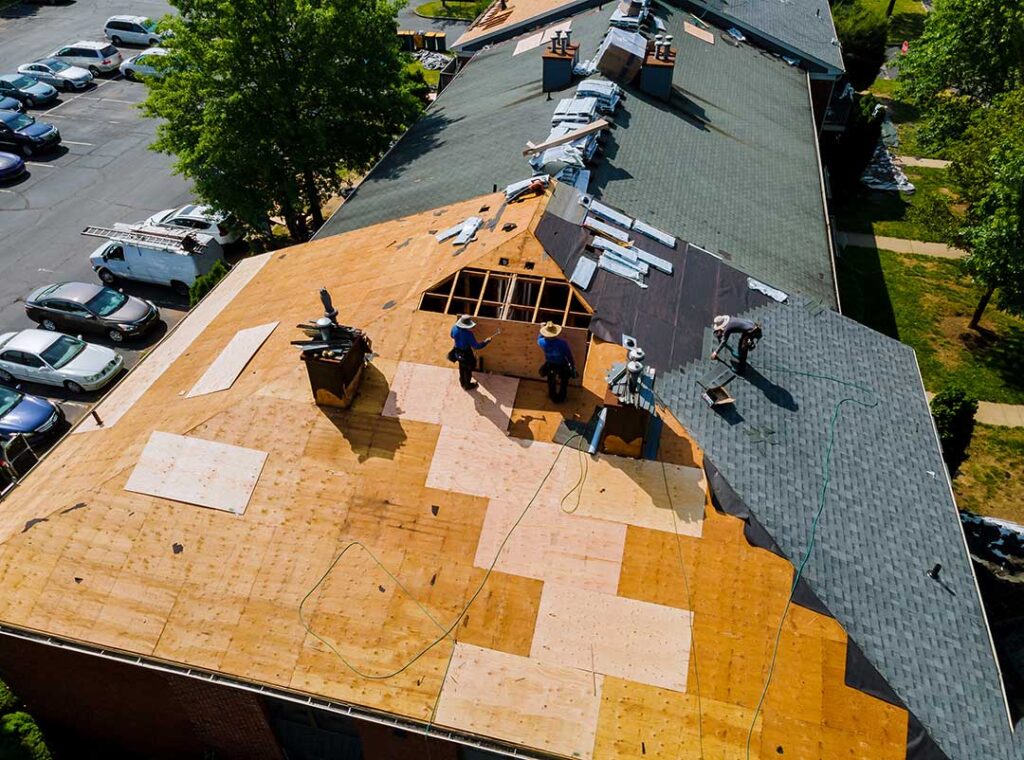
Roofing technology is changing in ways that are practical rather than futuristic. Newer systems can improve resistance to wind, hail, moisture, heat, and ice while making roof inspections more precise. For households in Cobleskill, NY, the most useful innovations are those that address snow, freeze-thaw cycles, summer heat, drainage, and the aging of common roof materials.
What does “roofing technology” include?
Roofing technology includes more than new shingles. It covers the materials, installation methods, ventilation systems, insulation, inspection tools, and monitoring practices used to make a roof perform better.
Recent developments generally fall into five areas:
- More reflective and energy-efficient surfaces
- Stronger resistance to wind and impact
- Better moisture and ice-dam control
- Digital inspection and maintenance tools
- More durable or lower-waste materials
The roof still depends on basic construction principles. Proper flashing, drainage, underlayment, ventilation, fastening, and deck condition often matter as much as the product itself.
Are cool roofs useful in a cold-weather community?
Cool roofs reflect more sunlight and absorb less heat than darker conventional surfaces. They can reduce roof temperatures and cooling demand, but their value varies by climate, insulation levels, roof shape, and heating habits. The U.S. Department of Energy notes that cool roofs provide the greatest energy savings in warm climates and may reduce beneficial winter heat gain in colder regions. ([energy.gov](https://www.energy.gov/cmei/femp/purchasing-energy-efficient-cool-roof-products?utm_source=openai))
That does not make reflective roofing unsuitable for local homes. It means the decision should be based on the entire roof assembly rather than color alone.
For example, a reflective material may be more useful on:
- A low-slope addition with significant summer sun exposure
- A poorly shaded roof over an upper-floor living area
- A building with high cooling demand
- A roof being replaced where insulation will also be improved
For a typical pitched home, attic insulation and air sealing may provide more year-round benefit than choosing the lightest available roof color. A reflective surface cannot correct heat loss caused by inadequate insulation or air leakage.
How are roofs becoming more resistant to severe weather?
Resilient roofing focuses on the complete system, not just the outer covering. Improvements include stronger fastening patterns, sealed roof decks, upgraded drip edges, better flashing details, and materials tested for wind or impact resistance.
Research by the Insurance Institute for Business & Home Safety shows that roof performance depends on the type of hazard, the installation details, and the age of the material. Its guidance also distinguishes between impact-resistance tests and actual field performance. ([ibhs.org](https://ibhs.org/natural-weathering-and-hazard-exposure/?utm_source=openai))
This is relevant in an area where roofs may experience heavy rain, gusty winds, falling branches, ice, and occasional hail. A product labeled “impact resistant” should not be understood as damage-proof. Test classifications compare performance under specific conditions; they do not guarantee that a roof will never crack, lose granules, or leak.
A more useful question is: Which parts of the roof are most vulnerable?
Common weak points include:
- Valleys where runoff concentrates
- Eaves exposed to ice and backed-up water
- Roof edges exposed to wind uplift
- Chimney and plumbing penetrations
- Aging flashing and sealants
- Areas beneath overhanging trees
Modern roofing improvements are most effective when these areas receive attention during design and installation.
What role do synthetic and composite roofing materials play?
Composite roofing materials are manufactured to resemble slate, wood, or traditional shingles while using engineered mixtures of polymers, mineral fillers, or recycled components. Some are designed to resist impact, moisture, insects, or splitting better than natural materials.
Their performance varies considerably. A newer material may look promising in laboratory testing but have less long-term field history than established roofing products. Research programs continue to examine how synthetic roofing surfaces perform after aging and repeated hail exposure. ([ibhs.org](https://ibhs.org/wp-content/uploads/IBHS-2025-Research-Agenda.pdf?utm_source=openai))
Homeowners evaluating an unfamiliar material should look beyond appearance and stated lifespan. Useful questions include:
- How does the material perform after repeated freeze-thaw cycles?
- Can individual pieces be replaced if damaged?
- Does the manufacturer publish installation and repair instructions?
- How does the material respond to heat, ultraviolet exposure, and impact?
- Are compatible flashing and ventilation components available?
- Can the material be recycled or responsibly disposed of later?
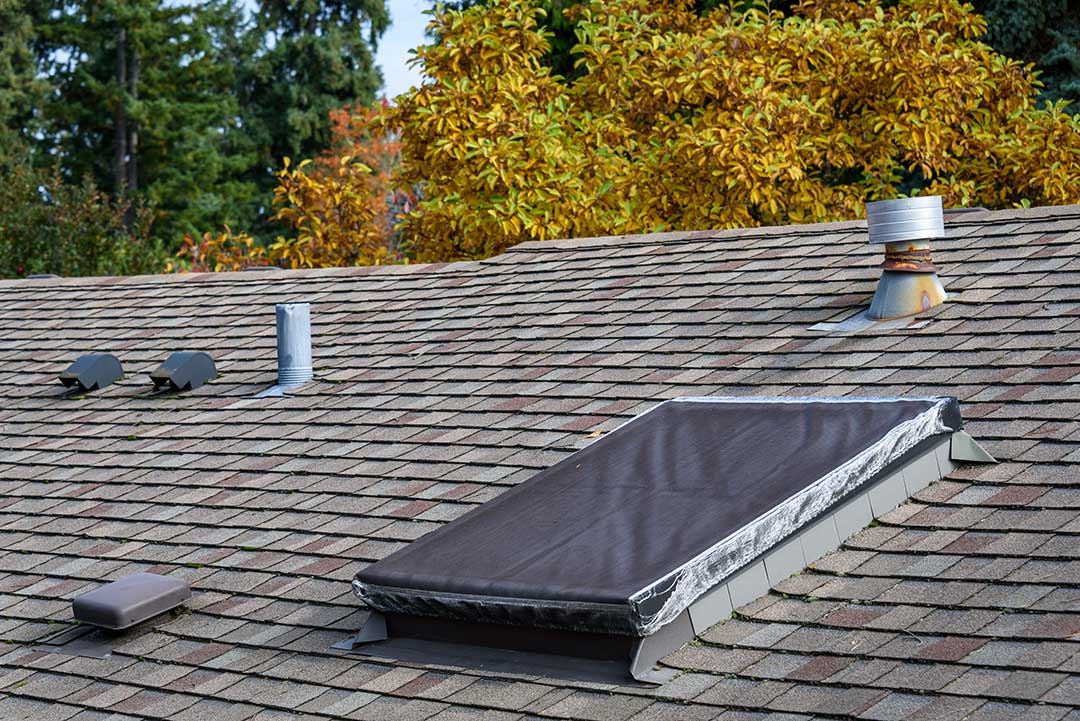
A long warranty is not the same as proven local durability. Installation requirements and repairability deserve equal attention.
Can technology help detect roof problems earlier?
Yes. Infrared cameras, moisture meters, high-resolution photography, and aerial imaging can help identify wet insulation, missing materials, damaged flashing, or drainage problems. These tools are most useful when combined with a physical inspection.
Infrared equipment detects temperature differences, not leaks directly. A cool or warm area may indicate moisture, air movement, shading, or a construction difference. The result must be interpreted alongside roof age, weather history, attic conditions, and visible evidence.
Digital inspection records can also make maintenance more organized. A homeowner may benefit from keeping dated photographs of:
- Flashing and roof penetrations
- Gutters and downspouts
- Attic insulation and ventilation
- Areas beneath trees
- Previous repairs
- Water stains or recurring ice buildup
This creates a reference point for distinguishing a new problem from an old one. It can also help identify gradual changes before they become interior damage.
Are solar shingles and roof-mounted solar systems practical here?
Solar roofing technology includes conventional solar panels mounted above the roof and newer solar-integrated materials that combine electricity production with the roof surface. These systems depend on roof orientation, shade, structural capacity, electrical design, snow management, and the remaining life of the roof.
A roof nearing replacement is usually a poor foundation for adding a long-term energy system unless the roof work is coordinated first. Removing and reinstalling equipment later can add complexity and cost.
Solar technology also does not replace the need for sound flashing and water management. Penetrations, attachment points, and drainage paths must be designed carefully. Snow accumulation, tree shade, and winter daylight levels should be considered before assuming that a solar roof will produce the expected amount of electricity.
What roofing innovations matter most for local homes?
The most valuable improvements are often combinations of established technologies:
- Better attic insulation paired with balanced ventilation
- Water-resistant underlayment at eaves, valleys, and penetrations
- Improved drip-edge and flashing details
- Fastening methods designed for local wind exposure
- Materials selected for repeated temperature changes
- More accurate inspection and maintenance records
- Roof colors and surfaces chosen with both summer and winter performance in mind
Green roofs, highly reflective membranes, and advanced commercial systems can be useful in the right building, but they are not universal solutions for steep residential roofs. Weight, drainage, maintenance, snow retention, and structural capacity must be evaluated before using them.
The central lesson is that roofing innovation works best as part of a complete building-envelope strategy. A durable roof is not defined only by its surface material. It depends on how the roof sheds water, manages heat and air, handles movement, resists weather, and can be inspected and repaired over time.
