
Can Local Wildlife Really Damage Roofs?
Yes—many area homeowners are surprised to learn just how significant an impact local wildlife can have on roofing materials. In Cobleskill, NY, the mix of rural spaces, mature trees, and seasonal weather creates the perfect setting for animals such as squirrels, raccoons, birds, bats, and even stray cats to access rooftops. Each species presents unique risks, from chewing and nesting to causing entry points for moisture.
Roof damage from animals is more common in communities with older homes, cedar shakes, or mature landscaping close to the house. With frequent freeze-thaw cycles in spring and fall, even small animal-made gaps can quickly turn into water leaks.
Which Animals Are Most Likely to Cause Problems?
Squirrels and raccoons are the top culprits in many neighborhoods across the region, but bats, starlings, and even large woodpeckers play a role.
- Squirrels: Known for gnawing, squirrels can chew through wood soffits, fascia, and even some shingles to nest in attics.
- Raccoons: Strong, dexterous, and curious, raccoons can lift shingles, bend vent covers, or pull off roofing edges to gain entry.
- Birds (Starlings, Pigeons): Bird nests clog gutters and vents. Accumulated droppings are acidic and may degrade roofing materials.
- Bats: A colony can slip through gaps as small as half an inch, leaving behind guano that encourages mold and weakens wood.
- Woodpeckers: Seeking insects or making nesting cavities, these birds may peck at fascia or roof edges, creating holes.
- Domestic pets: While less destructive, outdoor cats or dogs may dislodge shingles or flashings when climbing or playing.
What Signs Indicate Animal Damage to a Roof?
Early detection can save major repairs. Signs are not always obvious unless you look closely:
- Shredded or missing shingles, especially around edges or near overhanging branches
- Small holes or gnawed openings at eaves, ridge, or soffit vents
- Debris such as nesting material sticking out from vents or gutters
- Unusual scratching noises at dawn or dusk
- Unexplained water stains on ceilings, especially after snow melt or rain
Unlike storm or age damage, animal-related issues often show up as localized damage in seemingly random or hard-to-reach places.
How Does Local Climate Influence Animal Activity?
Cobleskill’s mix of cold winters, wet springs, and leafy autumns creates both opportunities and challenges. As temperatures drop, animals seek out warm spaces—often leading them to attics. During stormy periods, wind may dislodge natural materials like branches, making roof access even easier.
Seasonal shifts drive animal behavior:
- Fall: Squirrels and raccoons actively prepare nests; birds search for warm cavities.
- Winter: Animals are more determined to enter attics for shelter.
- Spring: Increased activity as young animals seek new homes, amplifying scratching or nesting near roofs.
- Summer: Bats and birds exploit loose flashing or vents to raise their young out of the rain.
This cycle means vigilance is helpful year-round, not just during fall clean-ups.
What Structural Risks Can Animals Create?
Animal incursions can do more than cosmetic damage. Roof integrity is at stake if:
- Openings allow water intrusion, leading to rot in sheathing, rafters, or insulation.
- Chewing or burrowing leaves wiring exposed, a potential fire risk.
- Accumulated droppings or nests create weight and trap moisture against the roof deck.
- Persistent entry points allow larger infestations or mold growth.
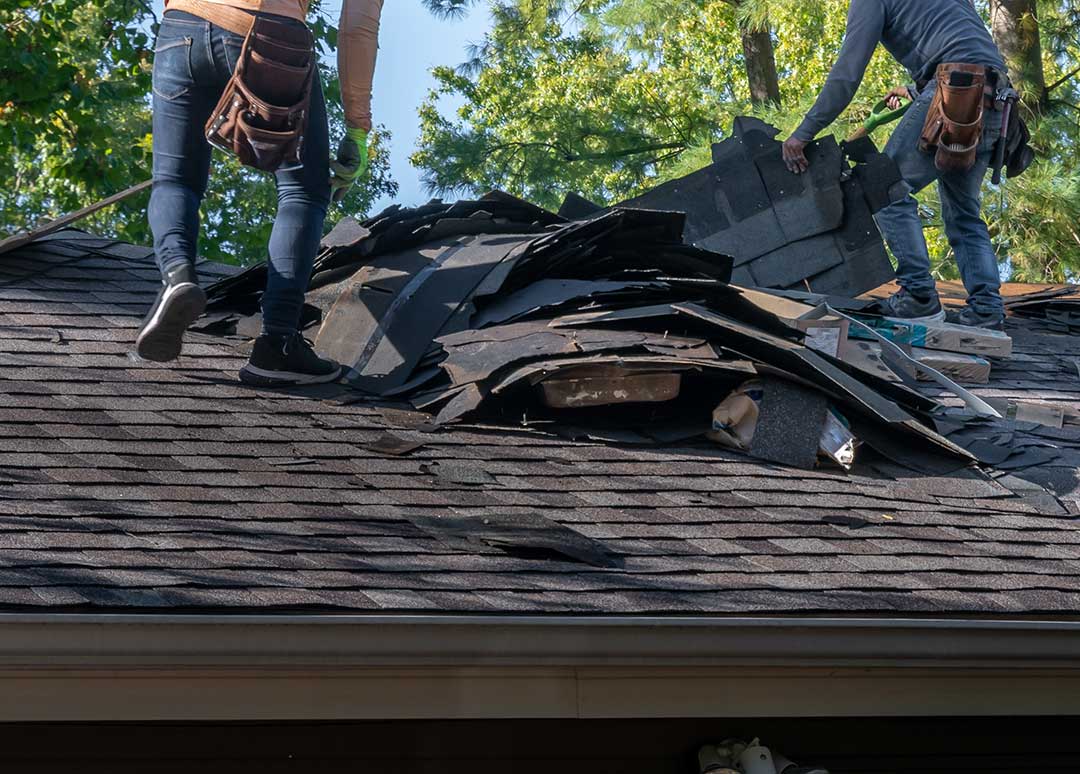
Especially in older Cobleskill homes, even small amounts of animal damage can undermine the long-term reliability of a roof.
Are Some Roofing Materials More Vulnerable Than Others?
Yes—material choice influences risk:
- Wood shakes: Most easily gnawed by squirrels or birds, also attractive for nesting.
- Asphalt shingles: Generally durable, but raccoons or squirrels can lift or tear them at seams.
- Metal roofing: More resistant to chewing or pecking, but edges and fasteners may present entry points if not sealed.
- Tile or slate: Heavier, offering more protection, but if broken (perhaps by raccoons prying or tree branches), access opens quickly.
Regardless of type, any material left neglected—especially at vulnerable transition points like vent pipes or valleys—can become an entry for determined wildlife.
What Preventive Steps Work for Area Households?
Practical prevention combines maintenance and habitat awareness. Residents can reduce risk by:
- Trimming tree branches at least six feet back from rooftops to limit easy access
- Keeping gutters and downspouts clear of leaves or nests
- Using hardware cloth over vents and chimney caps to discourage animal entry
- Repairing loose shingles, flashing, and soffits promptly
- Regularly inspecting attics for daylight, drafts, or droppings
A common misconception is that “sealing up the house” alone will solve problems. In reality, ongoing inspection matters most, as local wildlife adapts quickly to changing access routes.
When Is It Necessary to Seek Professional Help?
Dealing with major infestations or hazardous cleanup—the presence of raccoons, bats, or accumulations of droppings—may present health and safety concerns. Removal of animals like bats is regulated, and improper handling can endanger both residents and protected species. In these scenarios, contacting local animal control or pest management professionals meets both health standards and legal requirements.
For routine maintenance, most prevention can be accomplished by homeowners equipped with basic safety gear and garden tools.
